
Which Relationship Are You Actually In?

Most people don’t struggle with love because they can’t feel it, They struggle because they can’t identify it.
You think you’re building something real, but in reality, you and the other person might not even be in the same relationship.
That’s where understanding the three components of love changes everything.
The Three Components of Love
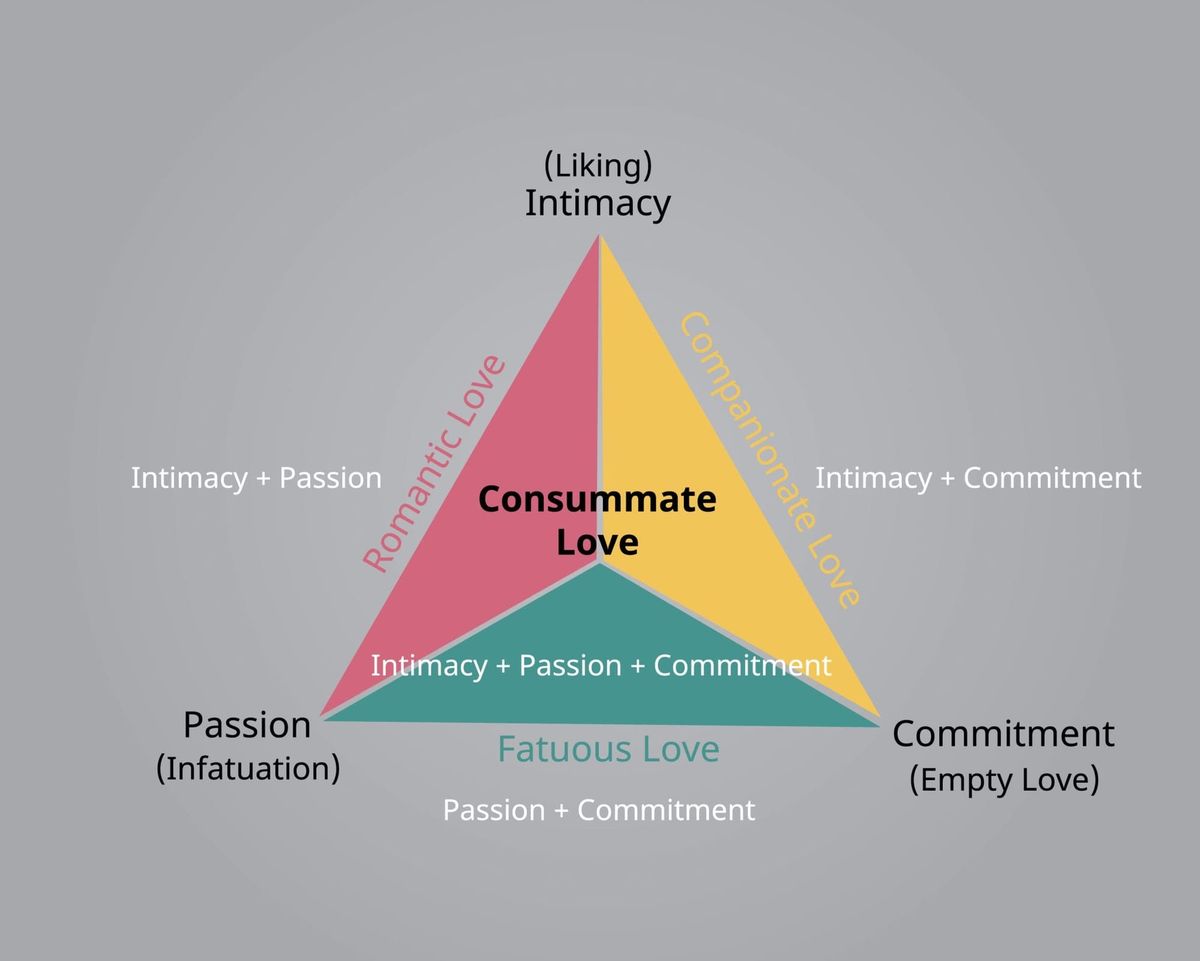
Every relationship, no matter how complicated, comes down to three core elements:
Commitment (The Cognitive Component)This is the decision. The choice to stay. The long-term mindset that says, “I’m here, even when it’s not easy.”
Intimacy (The Emotional Component)This is the emotional bond. Vulnerability. Feeling seen, heard, and understood.
Passion (The Motivational Component)This is the spark. The physical pull. The chemistry that feels intense, sometimes even addictive.
Now here’s the truth most people miss:
You don’t need all three to be in a relationship. But the combination of what is there determines what kind of relationship you’re actually in.
The 8 Types of Love (Find Yours)
Use this like a mirror. Be honest with yourself.
1. Non-LoveNo commitment. No intimacy. No passion. You’re not building anything here, just occupying space.
2. Liking (Intimacy Only)Emotional connection, but no physical or long-term direction. This is friendship… even if one of you secretly wants more.
3. Infatuation (Passion Only)Strong attraction, little to no emotional depth. Chemistry is high, clarity is low.
4. Empty Love (Commitment Only)You’ve decided to stay, but the connection is gone. This is where many long-term relationships quietly sit.
5. Romantic Love (Intimacy + Passion)You connect emotionally and physically, but there’s no real commitment. Feels amazing… but unstable.
6. Fatuous Love (Commitment + Passion)Fast-moving relationships. Strong attraction and quick decisions but no real emotional foundation. This is “we moved too fast” energy.
7. Companionate Love (Commitment + Intimacy)Deep emotional bond and loyalty, but little to no passion. Feels safe… but can feel like roommates over time.
8. Consummate Love (All Three)Commitment, intimacy, and passion all working together. This is the ideal but it requires effort to maintain.
Why Relationships Fail: It’s Not Always Love… It’s Misalignment
Here’s where things really fall apart:
Most people assume they’re in the same relationship…when they’re actually operating from completely different places.
When You’re Aligned
Things feel easy, not because there’s no work, but because expectations match.
- Two people in Liking are fine being just friends.
- Two people in Companionate Love can stay in a stable relationship without needing intense passion.
There’s no confusion… because you both want the same thing.
When You’re Misaligned
This is where confusion, frustration, and heartbreak live.
The Commitment vs Passion GapOne person is loyal and settled.The other is craving desire and connection.
One feels overwhelmed. The other feels rejected.
The Intimacy vs Fatuous GapOne person wants emotional depth.The other wants to rush into labels, titles, or milestones.
One is trying to connect. The other is trying to secure.
And both walk away feeling misunderstood.
The Truth Most People Avoid
A relationship isn’t defined by what you hope it is…It’s defined by what all three components are actually doing.
And relationships don’t stay the same.
They evolve.
- Friends become lovers
- Lovers become partners
- Partners sometimes become roommates
The difference between something that lasts and something that fades?
Both people have to be willing to build what’s missing.
So Ask Yourself This:
- What am I actually experiencing?
- What am I calling it?
- And does the other person see it the same way?
Because clarity isn’t what ruins relationships…
It’s what saves you from staying in the wrong one.
If this made you think, don’t just sit with it, work through it.
I’ve put together a workbook below where you can identify exactly which components are present in your relationship, and which ones are missing.
Do it alone first. Then have your partner do the same.