The Knock at the Door: When a DNA Test Became Destiny
Share
The Knock at the Door: When a DNA Test Became Destiny
For twelve years (2008–2020), I worked in the world of DNA testing, where truth is documented, but not always understood. I was entrusted with some of life’s most sensitive moments: immigration cases on the brink, private paternity matters, and stories people hoped would never surface.

But some of the most meaningful outcomes didn’t happen in the lab. They happened long after the results were delivered.

Mesu was one of those moments.

When she first came to my home office for immigration testing, she barely spoke. Her husband spoke for her, translated for her, and, in many ways, represented her. Yet even then, it was clear, there was a voice within her that had not been given space to exist.

A year later, that voice found its way back to me.

In 2015, Mesu stood at my door, alone, emotional, and determined.

She told me she had been driving for hours, unable to remember my street name, nearly giving up before finally finding her way back. In her hand was a letter from USCIS: her case had been closed due to missing information.

Then she shared something I have never forgotten, A voice told her to come find me.

That moment was more than procedural. It was pivotal.

I stepped in, not just as a DNA professional, but guided by a deep intuitive awareness of what was needed in that moment.

I reassured her, drafted a formal response to USCIS, and advocated for her case to be reopened. It was. We resubmitted the necessary documentation and shortly after, her approval came through.

But that was only the beginning.

What followed was not just a resolved case, it was a transformation.

Despite language barriers and cultural differences, we built a connection rooted in mutual respect and curiosity. Communication wasn’t always perfect, but the intention to understand one another never wavered.

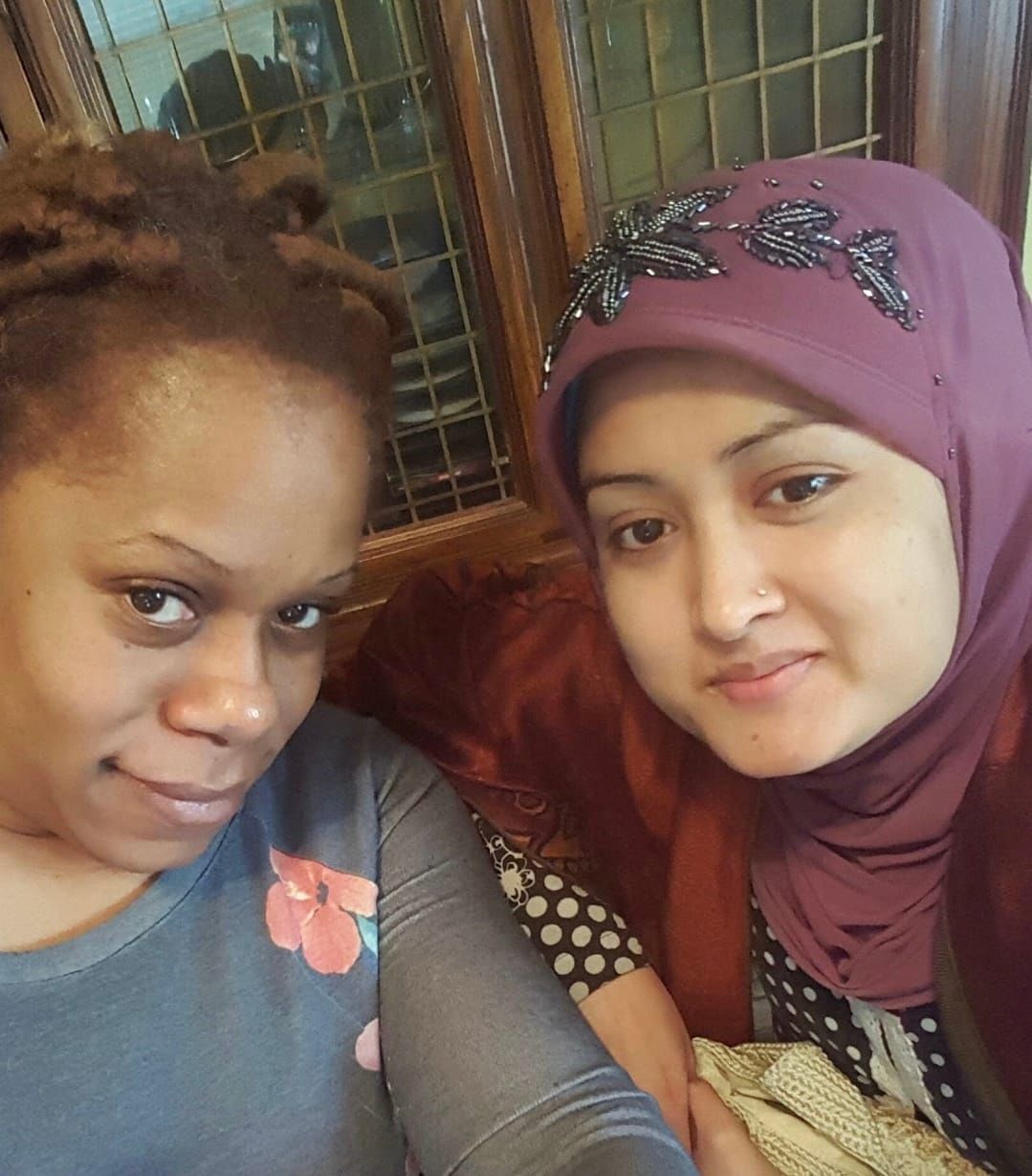
I encouraged her to strengthen her English, and she took that step. She would come to my home, and we would talk. As someone from Jamaica, I was surprised that she understood my dialect so well. I supported her independence, and she claimed it fully. I recognized her passion for cooking and helped her turn it into a platform of her own.

Over time, I watched her evolve from someone spoken for into someone who could confidently speak for herself.

Eventually, my children and I were invited into her home, where I experienced my first Eid celebration, surrounded by her family. What began as a formal process became a cross-cultural sisterhood.

That journey reinforced something I have always believed:

When you help someone access their voice, you don’t just change their circumstances, you change their trajectory.

This is the work I do. Not just facilitating outcomes, but unlocking potential.