
I Didn’t Have the Heart to Correct Him. The Line That Stayed With Me

In the wake of the Mitchell tragedy, one phrase from Thy Mitchell’s final social media exchange has stayed with many people:
“I didn’t have the heart to correct him.”
She was responding to her husband’s hopeful comment about them growing old together. At first glance, it looked like a loving, playful interaction. But in hindsight, many readers now view the exchange through a heavier emotional lens.
Sometimes, one partner is still speaking from a place of hope, future plans, and emotional connection, while the other may already be emotionally overwhelmed, mentally exhausted, or internally disconnected in ways they cannot fully communicate.
The Information Gap: When the Internal Reality Doesn’t Match the External Script
One of the most difficult things to recognize in relationships is when someone continues performing normal social behaviors while internally struggling to stay emotionally regulated.
This is not always about a diagnosed mental health condition. Sometimes it can look more like severe emotional depletion, chronic stress overload, burnout, or nervous system exhaustion.
What I often describe as a “Neurological Lockdown” is not a clinical diagnosis, but a pattern I’ve observed where overwhelming stress appears to reduce a person’s ability to emotionally process, communicate clearly, or connect future planning with their present emotional state.
The “Functional” Mask
Some people continue showing up to work, smiling in photos, responding to messages, and following normal routines long after their emotional reserves have been depleted.
Because they still appear functional, the people around them may not realize how overwhelmed they actually are.
And because they don’t identify themselves as “depressed” or in crisis, they may never seek support. They convince themselves they are simply tired, grinding, or under pressure.
Why the “Correction” Never Happens
When someone is deeply emotionally overloaded, they may lose the ability to bridge the gap between what they are feeling internally and what is happening externally around them.
So instead of correcting the hopeful narrative, they may simply go along with it.
Not because they fully believe it. Not because they are intentionally deceiving anyone. But because emotionally, they no longer have the capacity for difficult conversations.
Sometimes silence is not agreement. Sometimes silence is exhaustion.
The Weight of Disappointing Others.
Another layer people rarely talk about is the emotional pressure some individuals feel to maintain stability for everyone around them.
The fear of disappointing a partner, failing expectations, appearing weak, or disrupting hope can become emotionally paralyzing.
So instead of expressing what they truly feel, they continue following the “social script”smile, nod, participate, say “I’m fine.”
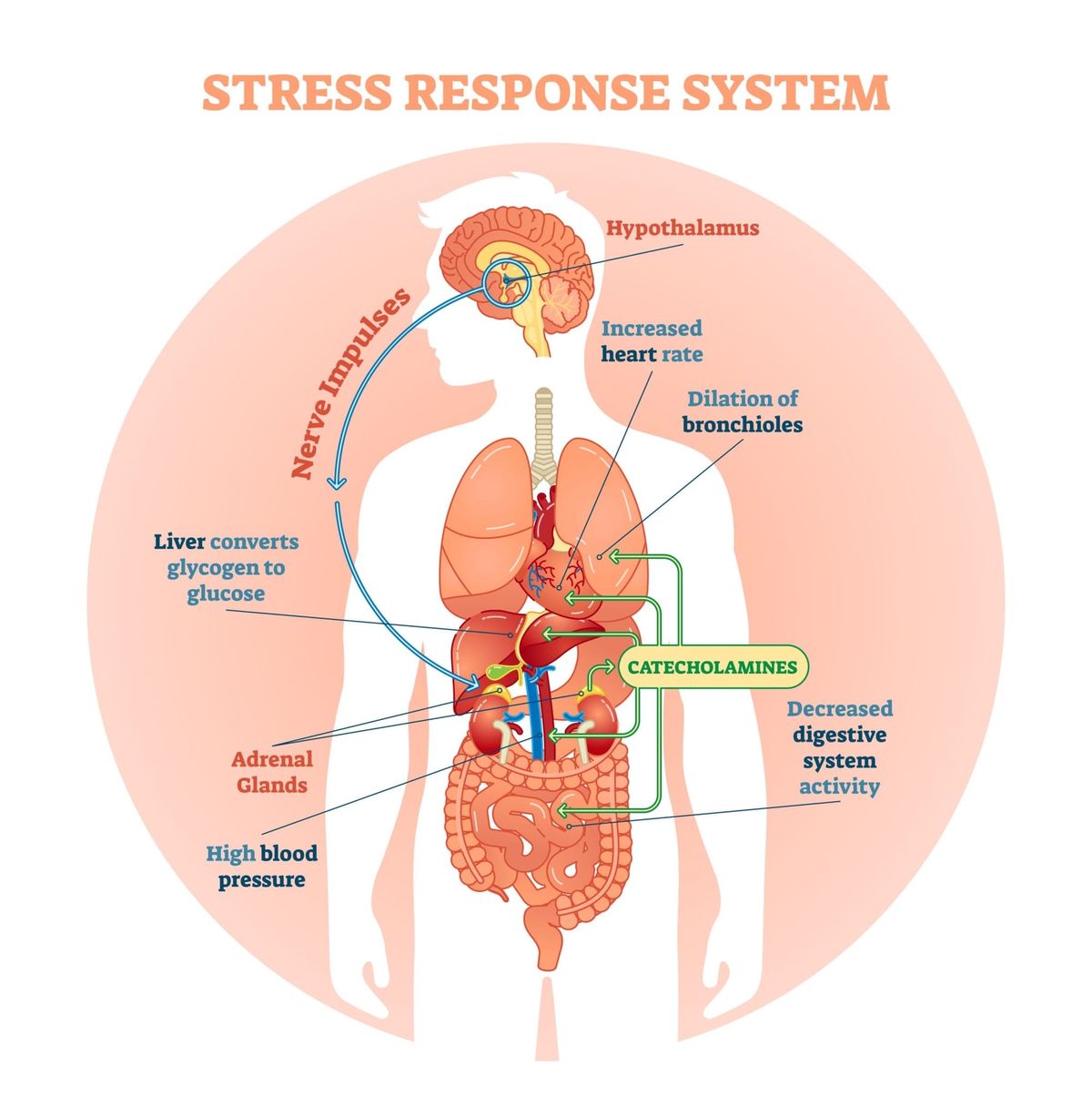
Meanwhile, internally, their stress system may already be operating in survival mode.
The “Agreement” That Wasn’t
I remember when I told my ex-husband I wanted a divorce. On the surface, he appeared to accept it quietly. He didn’t argue or resist, and most people would have interpreted his silence as agreement.
But something about it felt emotionally off to me.
I didn’t experience his silence as peace. I experienced it as emotional withdrawal.
Months later, a mutual friend shared conversations he had privately, and it confirmed what I had sensed at the time: he wasn’t emotionally processing the situation in the way people assumed he was.
That experience taught me something important:people do not always verbally communicate the depth of what they are carrying.
Sometimes the body, the energy, and the silence communicate more than the words do.
Looking Beyond the Social Script
As partners, friends, and family members, we sometimes have to pay attention to the disconnect between someone’s words and their emotional presence.
If someone says “yes” to future plans but appears emotionally flat, disconnected, unusually withdrawn, or chronically overwhelmed, it may be worth slowing down and checking in beyond surface conversation.
Not with accusation. Not with pressure. But with curiosity and compassion.
Instead of:“Why are you acting weird?”
Try:“You’re saying all the right things, but you seem emotionally heavy lately. How are you really doing?”
Many people are suffering behind highly functional masks.
And in a culture obsessed with appearances, productivity, and “holding it together,” we need to become better at recognizing emotional exhaustion before silence becomes permanent.